Blog

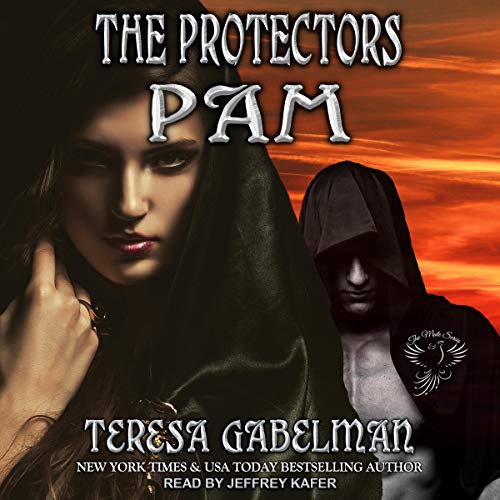
Audiobook Review: Pam (The Mates Series #3) by Teresa Gabelman

Audiobook Review: Pam (The Mates Series #3) by Teresa Gabelman

Listened To: 6th February 2023

Audio Publication Date: 30th March 2021

Published by: Tantor Media

My Overall Rating: 5/5

Plot: 5/5 – Flow: 5/5 – Character Development: 5/5 – World Building: 4/5

So, before we get into what I thought about Pam, a little disclaimer. I received a free copy of this audiobook from Tantor Media for an honest review. Thanks for the copy.

So, here’s what the official blurb has to say about the story:

With a past best left behind, forgetting was something Pam Roark could not seem to do. Nothing was more important than her mate, VC Warrior Duncan Roark, and her son, Daniel. But the circumstances surrounding Daniel and his remarkable abilities throws her back into nightmares she can’t escape.

During her journey to protect her son from those who would exploit him, Pam realizes it isn’t Daniel who needs help, but herself. With the help of her mate and son, a path leads her to the life she was meant to have—without the horrors.

The Mate series delves into the kickass world of the Warriors’ mates and how united, they can make a difference—just like their badass Protectors. Follow along to see how these exceptional women’s newfound freedom affect those around them and which Warrior may or may not support their feisty independent mate’s new and exciting path.

Contains mature themes.

I’d just like to add that Ms Gabelman weaves the main specifics from previous adventures into this one. However, so much has happened that I’m doubtful whether Pam can be read as a standalone title.

A Gripping Story That Pulled On All My Mothering Instincts.

I’m already a big fan of Teresa Gabelman’s writing style. You can find all the books in her The Protectors series and The Mates series on my bookshelves.

Pam didn’t disappoint.

I’d already fallen in love with this little family from the previous books. I love Duncan’s alpha-ness which makes him strong and domineering but always puts Pam and Daniel first with his heightened protectiveness (like all the VC Warriors). Pam’s resilience and gumption are second to none, and her drive to protect her son, Daniel, is monumental. Daniel is not your usual seven-year-old boy – he’s special. He has a wisdom beyond his years with a heart that’s kind, caring and full of love for his parents and his extended VC Warrior family. The Roarks are strong but together they’re invincible.

Pam has been part of The Protector series from the very beginning.

Her storyline has been one of high emotions and appalling brutality. From one trauma to another. However, Pam has proved time and time again that she has the strength of character to survive whatever life throws at her. Her journey in this book was raw and visceral but ultimately inspiring.

Jeffrey Kafer IS the voice of The Protectors.

Pam was read by The Protectors’ narrator, Jeffrey Kafer. I loved the way he narrated the book; his pace, tone and performance certainly added an extra dimension that kept me hooked, not wanting to turn it off. Jeffrey brought out each and every emotion that the characters were feeling. His performance enhanced the tension, highlighted the inhumanity and encompassed the joy.

I loved that this audiobook gave me all the emotions I’ve come to expect.

Pam horrified and shocked me at times, it got my blood boiling too. However, rest assured, dear readers, like all of Ms Gabelman’s books, the humour and love shine through it all. Pam hits all the right spots and warmed my old romantic heart.

I’d recommend Pam to lovers of relationship stories with gritty plots and lots of passion.

See PAM on Goodreads.com

Visit TERESA GABELMAN‘s own little corner of the web. Support her by buying a copy of this (or any of her books) directly from her website!

Take a look at my profile on Goodreads to see the other books I’ve read, or read more reviews here on The BG Blog.

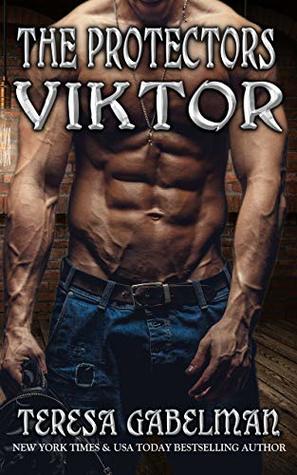
Review: Viktor (The Protectors #14) by Teresa Gabelman

Viktor (The Protectors #14) by Teresa Gabelman

Read: 6th – 7th May 2019

Publication Date: 27th April 2019

My Overall Rating: 5/5

Plot: 5/5 – Flow: 5/5 – Character Development: 5/5 – World Building: 5/5

Quote from Viktor

Okay, maybe she [Lacey] hadn’t been had. She stared at his fangs and frowned. One looked a little crooked. Did vampires need braces? That thought had her clearing her throat to cover the chuckle she felt building. Thankfully, the waiter picked that moment to come to their table.”

So what’s this book about?

Viktor is the thirteenth book (approx 287 pages) in Teresa Gabelman’s highly popular paranormal romance series, The Protectors. The series is about an elite group of vampire warriors who work for the Vampire Council. The Warriors police their laws and protect the innocent, whether human or those of their own race. This story takes place in and around Cincinnati, USA. We have known about the existence of vampires for less than a decade. Werewolves only came out a year ago, and it seems that more of the paranormal world is on the brink of exposure to the human world.

If you’ve read any of my reviews before, you’ll know that I don’t post spoilers of any kind or reveal any plot twists in my book reviews.

So here’s what the official blurb has to say about the story:

After having his life shattered by the woman who held his heart, Viktor Valentino put work before everything. Many years later, learning the truth behind his lover’s deceit, his anger shifts to the man responsible for not only her betrayal but her gruesome death. Viktor throws himself into finding him to not only appease his rage but to possibly save humanity.

Lacey Cruz has always wanted to be a writer, but she’s never had the chance to pursue her passion. After being fired from a company she was employed with since graduating high school, she now has plenty of time on her hands.

Lover of all things paranormal, Lacey sets out to do research in hopes that special something will fall in her lap. Something does in the guise of a powerful vampire warrior. What Lacey doesn’t realize is she may be the heroine in her own real-life novel.

Each book in this fast-paced series, focuses on the romance between one Warrior and his mate. However, the main story arc regarding the warlock Orjyll and the demon threat, began in the previous books. It is left to run into subsequent ones, too. Ms Gabelman weaves the main points about any previous story-lines into this one. But in all honestly, I’m unsure whether Viktor can be read as a standalone story. I think you’d miss the nuances of knowing the existing characters, understanding the dynamics of relationships, and be familiar with the adventures to date if you jump straight in.

So, what did I like about it?

I am already a huge fan of Teresa Gabelman’s writing style. I find her books easy to read, her plots are gripping, the pace is fast but never feels rushed. I’m further drawn into the world with strong main characters, and a fantastic array of supporting cast (both human and supernatural). Her characters are totally believable and leave me addicted, desperate for more! Viktor was worth waiting for.

I must be honest and confess that when we met Viktor Valentino in The Invisible Warrior my heart did a little pitter-patter; he’s exactly the sort of alpha that gets my tummy tingling. I couldn’t wait to read his book. Lacey Cruz is also everything that I look for in a lead female character; she’s intelligent, got a lovely sense of humour and definitely has gumption. I love that she’s an aspiring paranormal romance author and computer expert. Lacey’s another first class female lead to join the ranks with the other amazing women in this series.

And while we are talking about the other characters in this book, what would we do without Steve; he continues to be the comic relief and had me laughing my arse off numerous times throughout this book (until you made me cry Ms Gabelman). My favourite VC Warrior, Jill, stole quite a few scenes and is still as fabulous as ever! In fact, I loved the way that a lot of the other couples relationships developed in this book too. Seasoned VC warriors having to come to terms that there are things in this world that they are powerless to protect against. Oh, and I enjoyed meeting Charger, a fellow vampire and a Dark Guardian. I really hope we get a spin-off series about these alpha heroes too.

I love the VC Warriors, they all hold a special place in my heart. The paranormal world that Ms Gabelman has created for them is changing and growing. It’s expanding to include more supernatural beings such as the witches, warlocks and demons that we have recently encountered. Where magic is involved the Warriors have to evolve and change their tactics to succeed. I am looking forward to reading how the series evolves, along with our swoon-worthy vampire Warriors.

I loved that this book had me blubbering like a baby, got my blood boiling with anger and frustration, had me biting my nails with tension but also had me laughing my socks off, sent tingles of titillation to all the right spots *blush* and warmed my old romantic heart.

So, ummm, was there anything I disliked about it?

There wasn’t anything about this book that grated or niggled, which is why I rated it 5 stars.

I will just also say that The Protectors series has some long running story arcs Crimson Rush (the illegal trade in vampire blood), human trafficking, and the rise in dark witch related crimes — to name but a few. I will confirm that some mysteries are concluded within these pages, while others are left to continue. But, there is no life-or-death cliffhanger ending for our romantic couple.

Ms Gabelman does attempt to weave basic details into her books so that new readers are not completely lost. However, I don’t think that you will get as much enjoyment from Viktor without having read at least the last couple of books in the series first. I feel that you’d miss an awful lot jumping straight in.

So, basically what I’m saying is…

This book left me breathless; I couldn’t put it down! It’s got everything that I look for in a 5 star book: action, romance, a gripping story-line, humour (like most Brits, I love good banter), and well written, erotic sex scenes.

Due to the graphic violence and sexual content I’d recommend Viktor to adults who aren’t offended by scenes of this nature who are fans of relationship and romance tales with gritty story-lines and oodles of passion.

So, has my review of VIKTOR (THE PROTECTORS #13) encouraged you to find out more? I really hope so. Just click on any of the links below to check out the book yourself or to find out more about the author.

See VIKTOR on Goodreads.com.

Visit TERESA GABELMAN‘s own little corner of the web. Support her by buying a copy of this book (paperback, ebook, or audio) directly from her website!

Check out my profile on Goodreads to see the other books I’ve read, or read more reviews here on The BG Blog.

Publishing Team: Why you need one as an Indie Author

Self-publishing authors need a publishing team to help with all the stages traditionally published writers get done for them.

The self-publishing market has exploded since 2010. But this means that as a self-publishing author, you must carry out all the stages your traditionally published peers get done for them.

The Self-publishing Learning Curve.

At first, self-publishing seems like the easy choice, with no rejection letters, no negotiating royalties, and no forced deadlines. However, when you investigate self-publishing more deeply, you soon realise that a lot goes into publishing a book beyond simply hitting publish.

There are many departments and specialists within a traditional publishing company, each playing its part. As an indie author taking the self-publishing route, you’ll oversee the editing, designing, typesetting, proofreading, distribution, marketing, and finance surrounding the publication of your book.

“It’s a misnomer to call it self-publishing. No one does it by themselves. You have to have cover designers, book designers to do the layout, and usually marketing support and help. So, there’s a big team that any self-published author needs to create to make a project successful.”

Tom Corson Knowles (author)

But you don’t have to do all of this alone. Finding the right people to help you get your books out is essential. Thankfully, when self-publishing started to take off, many people who had worked for traditional publishers decided to do freelance work instead. They like the freedom and flexibility of working as a freelance provider and the access to self-published authors.

How to Create the Best Team to Support Your Book

Let’s talk about two of the many hats you can delegate:

  • Editing
  • Cover design

“The most common advice is to ask your peers and other authors in your genre. On the one hand, I think it’s great advice because what worked for one author might work for you. But on the other hand, it depends a lot on your genre, for both cover design and editing. Editing depends a lot on your personality and writing style.”

Ricardo Fayet (creator of readsy)

Finding the Right Editor

The most important factors affecting your relationship with your editor are your personality and writing style. Because every writer is different, it’s less likely that one author’s advice about a good editor will translate into a good working experience for another.

When looking for an editor, it’s best to look for an editor who specialises in your genre. Reach out to three or four and see how they work; look at their social media. Good editors usually ask for a small sample of your work; this lets you both get a feel for the relationship before you commit to working together. Taking these steps is even more important when looking for a developmental editor; you want someone specialising in editing your genre!

When you hire an editor, it’s all about developing the right kind of relationship. That’s why it is crucial to reach out to several people, get quotes, and get an idea of what type of feedback each editor will give you.

The best way to ensure you will have a good relationship with an editor is to check out their social media. Do you like their posts? Can you relate to their writing and communication style? It’s perfectly normal to contact a few editors until you find a good fit.

The editor/author collaboration is a special relationship, and you must make sure your personalities match as much as possible before you agree to work on a larger project together.

After the editor receives your submission, they’ll likely have additional questions. Typically, after an editor responds to you, a natural conversation takes place.

If, after you send initial information to an editor, that conversation doesn’t take place, you should look for another professional.

photo of woman taking notes
Photo by Ivan Samkov on Pexels.com

Finding the Right Cover Designer

The most crucial factor that affects the cover design is your genre or category. Ask authors in your specific genre or category for advice and recommendations on cover designers.

Communication is always vital. If you start a project with a £500 budget and find a cover designer who says they’ll design you a cover without asking questions, that’s a warning sign. You haven’t said what genre your book is or whether your cover design is for a print book or an ebook. Those are fundamental questions that any good cover designer would ask.

It’s always good practice to send your designer images for inspiration. Find two or three covers on Amazon in the genre of your book that you like. When you send those to the cover designer, that’s going to give them an idea of what appeals to you, and then they’ll most likely begin a conversation with you about the specifics of your cover.

You must hire a cover designer with experience with book cover design, especially if you don’t. If you are an experienced indie author, you can take on an inexperienced cover designer because you’ve been through it before. But if this is your first project, you want someone who knows the ins and outs of cover design.

You’ll want someone who:

  • Knows the type of images that will work for your genre cover.
  • Knows the kind of typography that will work for your genre cover.
  • Knows how to lay out your cover so that it looks right.
  • Has to experience the problems that can occur when designing a cover.
young focused artists working together with sketches
Photo by Anna Shvets on Pexels.com

How to Get the Best Out of Your Team

It may seem strange, but it’s probably best to work with editors, marketing assistants, and cover designers with fewer clients. If you work with freelancers with fewer clients, they’ll have more time to devote to your individual projects.

Communicate, communicate, communicate! If you’re not honest about a problem at the beginning of the process, it leads to miscommunication, hurt feelings, and bad relationships throughout the entire process. Bad situations like this mean losing time and money for you and your team member.

The longer you wait to let your freelancer know there’s a problem with your project, the more likely it is that you won’t be able to publish your project on time. Don’t be afraid to tell a freelancer that you don’t like how the project is going early.

top view photo of people near wooden table
Photo by fauxels on Pexels.com

Final Thoughts

Experienced freelancers will ask the most questions up front because they know the process and all the issues that might pop up during their work. They’ll want to have as many solutions for those potential problems as possible before they put in the time and effort to do the project.

If you’re on a tight deadline, you must contact multiple specialists for the position you need to fill. It’s also important to brief them thoroughly about the project so the rest of the process can go smoothly.

Feel free to ask me any questions you want. My inbox is always open, and I’m happy to recommend freelancers for your project from my extensive network of friends in the industry.

For more helpful resources about self-publishing and the craft of writing, check out my Resource Library.

Conscious Language: Q&A with Crystal Shelley

Words have Power

I don’t think any of us refute that statement. Words can empower and uplift people or isolate them and cause harm. My training as a teaching assistant taught me many useful skills. It also gave me valuable information about the use of inclusive language with children and young people.

However, this is such a large subject that I’ve invited a guest to answer a few questions about conscious language. Crystal Shelley is the owner of Rabbit with a Red Pen. She provides editing and authenticity reading services to fiction authors. I’ve heard Crystal speak about the importance of conscious language on podcasts and read her blog posts on the subject.


Hi Crystal and welcome to The BG Blog,

Q1. For anyone who doesn’t know, what is conscious language, and does it differ from gendered language and inclusive language? 

Conscious language is a coin termed by a writer and editor named Karen Yin. She describes it as “language rooted in critical thinking and compassion, used skillfully in a specific context.” The goal of the conscious language approach is to consider how the writer’s intent can be best achieved based on the context of the piece, which might require questioning language and framing that is commonly used but possibly biased, harmful, or exclusive. 

Inclusive language is similar, but the idea of critical assessment based on context and intent isn’t necessarily built into inclusive language. Gendered language refers to language that references gender, such as saying “mankind” or “ladies and gentlemen.” There’s been a push for gender-neutral language when the intent is to speak to a broader audience, regardless of gender, such as saying “humankind” or “folks.”

Q2. When did you first become aware of conscious language, and what drew you into championing it in the publishing industry?

I first became aware of conscious language in 2019 when I started my freelance editing business, but I’ve been conscious of my own language since what feels like forever. When I discovered Karen Yin’s website Conscious Style Guide, which is what started the conscious language movement, I found a name for what I’d been doing.

As an editor, I’m looking critically at the works I’m editing for anything that will make a reader pause, stumble, or stop reading. This includes when language or representation is potentially harmful. I believe it should be part of every editor’s job to look for these types of issues and to let the writer know about them so they can make informed choices for their work. That’s why I advocate for it in the publishing industry and created the Conscious Language Toolkits for Writers and for Editors.

Q3. What is sensitivity reading, and is authenticity reading the same thing?

Sensitivity reading, which I call authenticity reading for reasons outlined in an article I wrote, is a service that’s used when writers want feedback about an identity or experience they’re writing about from someone who has that identity or experience. It’s often used when the writer is writing outside of what they know. The reader can evaluate how the writer handled things—what’s done well, what’s inaccurate, and what might need to be adjusted. For example, if I’m writing a blind character but I’m not blind myself, I can hire an authenticity reader who’s blind to assess how well I represented what a blind person’s experience might be like.

Q4. What steps can writers take to ensure that they’re not inadvertently distorting their intended meaning? Or, worst-case scenario, offending their readers!

Learning about language is so critical, such as the origins of terms or phrases, how they’ve been used to harm or oppress groups, and what alternatives can be used instead. This can be a daunting undertaking, and the learning process is never-ending. There are tons of resources out there about language, and I recommend going to the source and learning from those who are directly affected by the language being used. (I list some resources below.)

Recognizing our unconscious biases is also an uncomfortable but necessary step in the learning process. Taking tests from Project Implicit can help reveal biases, and based on those results, you can seek out resources to learn more.

Asking someone to look at the writing and offer honest feedback can also be helpful. Ideally, this should be someone from your target audience.

Q5. Could you recommend 5 useful resources should my readers want to learn more about conscious language.

There are tons of resources out there, but here are some of the ones I recommend most often, in addition to Conscious Style Guide:

Crystal Shelley headshot
Crystal Shelley

Crystal Shelley is the owner of Rabbit with a Red Pen, where she provides editing and authenticity reading services to fiction authors. Drawing on her background as a social worker, she unites her love of language and her passion for social justice by advocating conscious language use and inclusive representation in her editorial work.

She is the creator of the Conscious Language Toolkits for Editors and Writers and serves on the board of ACES: The Society for Editing. When she’s not working with words, she’s probably swearing at a video game.

Connect with her on Twitter, Instagram, and LinkedIn

RWARP logo name

I hope that you enjoyed this post and found it as informative as I did. Ensure we are being as inclusive as possible when in conversation and in our writing. I love Crystal’s passion for the written word and her community spirit. She’s an editing treasure! 💙

Do you follow Crystal on any of her social media accounts? Please take a moment to visit her blog, Rabbit with a Red Pen like, follow and comment on a few posts.

For more helpful resources about the craft of writing, check out my Resource Library.

Ultimate First Draft Checklist: Secrets to Bestseller Success

Are you in the process of writing your first novel? Have you taken part in NaNoWriMo this year? Do you have a first draft written and ready for the next stage?

🎉That’s fabulous!  🎉 You’re at the perfect stage to take advantage of my Ultimate First Draft Checklist 

👇 Keep Reading 

You’re a new writer wanting to get your story published. I understand how overwhelming it is to have so many answers available at the end of a google search. There are a never-ending supply of people offering new writers and indie authors advice about what the rules of the wordsmith are. Some even seem to contradict one another!

confused young ethnic female having video conversation on mobile phone at home
Photo by Alex Green on Pexels.com

And that’s the thing, as a qualified editor myself and self-confessed bookworm, I’ve learned that these often touted rules are in fact only guidelines and opinions; they shouldn’t be followed blindly.

What’s next?

I wrote a post showing you the 4 steps to do After You’ve Written a Book and what tasks can be left for now. With that in mind, my Ultimate First Draft Checklist should be used when you assess your manuscript in step 2.

Before you jump into editing mode, read your book from start to finish. This is the second step in gaining perspective on your book. While it is time-consuming, it’ll save you countless hours in the long run because you’ll see exactly what you need to work on for your next draft.

As you read, ask yourself the following questions and take notes about what you find:

  • What’s missing?
  • What isn’t needed?
  • Which bits need rewriting?

In my Ultimate First Draft Checklist, I cover the 6 core aspects of any story:

  • Opening Scene/First Chapter
  • Characters and Dialogue
  • Plot and Conflict
  • Flow and Pacing
  • Setting and World-building
  • Writing Style

The questions on my checklist ultimately get you to answer the big question: Is my manuscript a best seller?

I understand that this step can be both exciting and a little terrifying. But I promise you, it is worth it!

…are you ready?

Receive my Ultimate First Draft Checklist now and start honing your story today!

[mailerlite_form form_id=9]

For more helpful resources about the craft of writing, check out my Resource Library.

Book Bloggers Unveiled – Meet Michael @ A Novel Chapter

Hello everyone and welcome to The BG Blog. Today’s post is Book Bloggers Unveiled: Meet Michael the blogger behind A Novel Chapter.

In the last decade, there has been a self-publishing revolution as I discussed in my first Book Bloggers Unveiled post. I have a strong appreciation for the book blogging community and the part it plays. It’s obvious to me that book bloggers are a valuable marketing resource for any author wanting to self-publish their novels. Not only will they read your novel and write an honest review, but they’ll share their thoughts with their friends – they have hundreds of blogging friends.

Therefore, I’m using my voice to sing the praises of the humble book blogger. Today, it’s the fabulous Michael @ A Novel Chapter.

Hello Michael, thanks for joining us. Firstly, let’s find out a little bit about you.

Michael Wilson Profile

What’s Your Name?

Michael Wilson

What’s Your Blog Called?

A Novel Chapter

How long have you been a book blogger and why did you start blogging?

I first created the blog in 2014 on Blogger but have only been really seriously pursuing it for about a year or so which is when I moved it to WordPress and onto it’s own domain. Initially I started it to become a better writer and also to potentially earn a some money on the side to my job but also have come to enjoy learning about new book releases and recommendations.

What Are The Best and Worst Parts About Being A Book Blogger?

The best part is I think when your content goes live and when I share it on social media and see the engagement with it. The worst part which is something which I initially struggled with was maintaining the flow of content – especially at the beginning as I wanted everything to go live straight away due to my own impatience but I’ve now learnt to schedule and plan content much further in advance.

photo of planner and writing materials
Photo by Bich Tran on Pexels.com

What Books Do You Read?

Happy to read most things as I read fiction and non-fiction books from most genres.

Are There Any Genres or Type of Books You Avoid?

None I avoid in particular but I generally don’t read many romance books just because I usually struggle to get through them.

Do You Have A Favourite Genre, Author, Series? Tell Us More.

I love Crime/Thriller, YA and Fantasy novels the most. I love a book with plenty of twists and turns that will keep me up reading far too late (though my boss in my day job probably doesn’t!) I also do loves books with escapism where I can forget about what is happening.

Some favourite Fantasy/YA series of mine are Harry Potter, The Hunger Games, Noughts and Crosses. I also love The Millennium Trilogy, the Jack Reacher books by Lee Child. I also love Martina Cole‘s crime novels.

What Type Of Posts Can We Find On Your Blog?

Reviews, Lists, Discussions, Sometimes I do write personal non-book related articles as well such as if I’ve been on holiday.

What is Your Favourite Type of Blog Post to Write?

Discussion posts as I like sharing my thoughts on specific questions.

group of people reading book sitting on chair
Photo by Helena Lopes on Pexels.com

What Has Been Your Proudest Blogging Moment To Date?

It’s not really a blogging moment but I have also been working on my Bookstagram social media account for the last 12 months which I just passed 600 followers on so I am hoping to reach the 1,000 followers soon.

Also possibly my Top 5 Children’s Reads post as it my first collaborative post where I had a guest blogger and have had some comments on it as well.

What Are Your Top Three Favourite Blog Posts You’ve Written?

Traffic wise my top 3 posts over the last 90 days have been:

Which Five Authors (Living or Dead) Would You Invite To Your Dinner Party? Tell Us Why.

So that I can discuss there works it would have to be my top five authors so J.K Rowling, F. Scott Fitzgerald, Malorie Blackman, Roald Dahl and Lee Child.

I would love to discuss Harry Potter, Noughts and Crosses and Charlie and the Chocolate Factory, Matilda and George’s Marvellous Medicine with Rowling, Blackman and Dahl. F. Scott Fitzgerald would also provide some jazzy 1920’s music I think and Lee Child can tell me about his next Jack Reacher book!

person holding clear wine glass
Photo by cottonbro on Pexels.com

Do You Have Any Hobbies Outside of Blogging? What Do You Do To Relax?

Probably my other two passions are fitness as like going to the gym and I’m also training to be a Zumba instructor and I also enjoy playing games – mostly action-adventure and story-driven ones such as Tomb Raider and Uncharted.

Tell Us Something That Your Existing Followers Don’t Know About You?

I don’t think I’ve told them about the Zumba before 🙂

Thank you for sharing your innermost secrets with us, Michael.

Now, let’s talk stats and find out some nitty-gritty blog details.

A Novel Chapter Logo

How Many Blog Followers Do You Have?

I don’t have a blog follow option on the site, on social media I have 612 Instagram, 64 on Twitter and 21 on Facebook.

How Many Monthly Visits, Likes and Comments Do You Get?

In the last three months I have had 48, 71 and 31. On Instagram I usually get around 10 likes per post though I have had two book meme posts which had 30 likes and 190 likes.

Social Media Likes

What Other Social Media Platforms Do You Use?

I use Instagram the most, I do have Facebook, Pinterest and Twitter accounts

Please Share Your Social Media Links Here

Do You Have Any Blogging Goals This Year? If You Do, Please Share Them With Us.

I would like to get to 100-200 visits per month consistently, also I am hoping to monetise it even if it is only a small amount. I also hope to get to the 1,000 Instagram followers then I will be looking at new strategies for each of the other platforms.

pexels-photo-1092671.jpeg
Photo by Lisa on Pexels.com

I hope that you enjoyed this post, Book Bloggers Unveiled: Meet Michael @ A Novel Chapter, as much as I did. Running a successful book blog obviously has its ups and downs, but I love Michael’s passion for reading and his community spirit. He’s a book blogging treasure! 💙

Do you follow Michael on any of his social media accounts? Please take a moment to visit his blog, A Novel Chapter and like, follow and comment on a few posts. And as a bonus, if you browse through his review archive, I’m sure you’ll find your next favourite read!

Next month, I’ll be unveiling another fantastic book blogger.

The Agatha Award 2022 Winners!

As a lover of the cosy genre, I’m not letting the Agatha Award 2022 pass without mentioning the winners on my blog!

Hello. Today on the blog I’m sharing the Agatha Award 2022 winners. This prestigious literary award is run by Malice Domestic. The award was created in honour of the queen of cosy mysteries, British crime writer Agatha Christie to celebrate the authors publishing works in the cosy genre.

Here’s what Malice say about it on its website:

Established in 1989, Malice Domestic is an annual fan convention that takes place each year in Maryland, just outside of Washington, D.C. Malice celebrates the Traditional Mystery, books best typified by the works of Agatha Christie. The genre is loosely defined as mysteries which contain no explicit sex, or excessive gore or violence.

The six categories in the Agatha Award are:

  • Novel
  • First Mystery
  • Historical Novel
  • Short Story
  • Non-Fiction
  • Children’s/Young Adult Mystery.

Additionally, in some years the Poirot Award is presented to honour other individuals who are not writers themselves, but who have made outstanding contributions to the mystery genre.

The nominees are suggested by everyone who has registered for or became a Friend of Malice Domestic by the end of the previous years. The five finalists in the six categories are chosen, then the attendees vote for the winners. In case you were wondering, here’s a link to the list of nominees.

Due to the Covid-19 pandemic, the Agatha Awards were once again announced at the More Than Malice online event.

So, who were the Agatha Award 2022 Winners in the different categories?

Contemporary Novel

**Cajun Kiss of Death by Ellen Byron (Crooked Lane Books)

Historical Novel

**Death at Greenway by Lori Rader-Day (HarperCollins)

First Novel

 **Arsenic and Adobo by Mia P. Manansala (Berkley)

Short Story

**”Bay of Reckoning by Shawn Reilly Simmons in Murder on the Beach (Destination Murders)

Non-Fiction

**How to Write a Mystery: A Handbook from Mystery Writers of America by MWA with editors Lee Child and Laurie R. King (Simon & Schuster)

Children’s / Young Adult 

**I Play One on TV by Alan Orloff (Down & Out Books)

Have you already read any of these winning titles? I’ll certainly be adding a couple of those fiction books to my shelf. 😉

Are you in the progress of writing your own cosy mystery story? Would you like someone to give you some honest, supportive feedback? I can do that. Have a look at my Manuscript Critique service to find out how.

3 Reasons To Ask For Reader Feedback

Today, I want to talk about reader feedback and reviews.

Your career as an author will make more money if your readers are happier. It’s not rocket science. But how do you keep your readers happy? How do you even know what they like or dislike about your books?

question marks on paper crafts
Photo by Olya Kobruseva on Pexels.com

Ask them.

I’m not talking about the reviews that readers post on retail sites after reading one of your books. Yes, these reviews are an important part of the sales algorithm, but it’s the reader feedback from your VIP readers, your mailing list, and Facebook groups that I’m focusing on today.

Check out my post about how book reviews on retail sites boost sales.

Asking for feedback can provide extremely valuable insight for your writing process as well as book sales. It’s common practice that businesses send out short surveys to customers asking for their feedback. Yes, both positive and negative is equally helpful. As an author, you ARE the business!

Feedback from your VIP list about your books can directly influence what changes you make, what traits you want to use more, and what elements need to stay exactly the same. You’ll have your finger on the pulse of what makes your target audience tick. This reader feedback is invaluable, and it doesn’t cost you anything to get.

Here are three reasons you should ask for reader feedback.

1. Learn what your readers like and don’t like 

3 Reasons to ask for Reader Feedback - Learn what your readers like and don't like

When you ask your readers to give you feedback, be it your books, series or future ideas, you’re going to learn what they like and don’t like. This information is extremely useful. If you know what’s working for your readers and what isn’t, you can tweak things to better serve them. For example, if you find out that there’s  a particular side character that fans love and connect to, you could open up a whole new spin-off book/series with them as the protagonist.

2. Make readers feel important and involved 

3 Reasons to ask for Reader Feedback - Readers feel important and involved

By asking for your VIP readers on your email list or in your Facebook group to provide you with feedback, you’re letting them know that you value their opinion, and you care about what they have to say. This builds loyalty and makes your readers feel important because you’re treating them as such—they feel involved in shaping your books.

3. Constantly improving your craft 

3 Reasons to ask for Reader Feedback - Comstantly improving your craft

You can consistently improve your books and keep them being the best they can be. If you’re consistently listening and seeking feedback, you always have a pulse on what’s working for your readers and what’s not. Ultimately, this will lead to better business, better sales, and a better reader experience (which starts the loop all over again!).

Are you ready for feedback about your stories and writing style?

There’s a lot to be gained from getting reader feedback and absolutely nothing to lose. All you have to do is ask!

No VIP readers or suitable email list? Read these helpful articles written by David Gaughran. https://davidgaughran.com/tag/email-for-authors/

Are you’re looking for someone to read your book and give you honest feedback? Check out my beta read or assessment services and get in touch!

Essential Parts of a Book Every Indie Author Should Know Before Self- Publishing

As readers, we probably haven’t paid much attention to the different parts of a book. The publishing industry has named them all: from the title page that launches the front matter to the index or bibliography that completes the back matter. Each section serves a particular role in bringing the book together.

When self-publishing your first book, it pays to know how the parts of a book function as integral parts of the larger whole. Understanding not only each component’s purpose but also the exact placement of each within the body of the manuscript will keep you on track to align with the publishing industry standards.

girl reading book on brown wooden table
Photo by cottonbro on Pexels.com

So, what are the parts of a book?

The main sections can be categorised as:

  • Front Matter
  • Body Matter
  • Back Matter

In this post, I’ll explain what’s included in each section.


Front Matter

The front matter is the first section of the book. These pages outline the various technical details and some input from the author about what inspired or drove the project.

The front matter includes:

1. Title page

The title page contains the book’s title, the subtitle, the author or authors, and the publisher.

2. Copyright page

The copyright page, or edition notice, contains the copyright notice, the ISBN, any legal statements, and credits for book design, illustration, photography credits, or to note production entities. The copyright page may contain contact information for individuals seeking to use any portions of the work to request permission.

3. Dedication

The dedication page allows the author to honour an individual or individuals. The dedication is usually a short sentence or two.

4. Table of contents

The table of contents outlines the book’s body of work by dividing it into chapters and sometimes sections or parts. Much thought goes into the titles of the chapters, as the titles can set the tone for the book. When someone quickly glances through the table of contents, they should be able to recognise the scope and central theme of the book.

5. Foreword

The foreword is a short section written by someone other than the author that summarises or sets up the book’s theme. The person who writes the preface is often an eminent colleague or associate, a professional who has personally interacted with the author.

6. Acknowledgments

This page allows the author to express thanks to individuals who may have inspired them, contributed research or data, or helped them during the writing process. Acknowledgements are a public thank you for the support and contributions of individuals involved in the project.

7. Preface or Introduction

The author explains the purpose behind writing the book, personal experiences that are pertinent to the book, and describes the book’s scope. An introduction can be deeply personal, seeking to draw the reader into the book on an emotional level, and usually explains why the book was written. For scholarly works, the preface or introduction helps erect a framework for the content that follows and illustrates the author’s point of view or thesis.

8. Prologue

In works of fiction, the prologue is written in the voice of a character from the story—it sets the scene before the first chapter. This section may describe the story’s setting or background details and helps launch the tale.


Body Matter

woman draw a light bulb in white board
Photo by Andrea Piacquadio on Pexels.com

The core content of the book is referred to as body matter. It’s the collection of chapters, sometimes divided into sections, in which the body of work is organised. In works of fiction, chapters drive the narrative, events, and locations in the story. In nonfiction, chapters might each consist of a particular area of study.


Back Matter

Once the story is completed, it is followed by back matter or end material, those pages that include references about the core content and author biography in some cases.

Back matter includes:

1. Afterword or Epilogue

These are author comments that follow the end of the body matter. These thoughts may summarise the project or the writing experience that helps bring closure to the book. The epilogue can help soothe the reader after a particularly harrowing story. Or even serve as a final chapter that helps to wrap up the loose ends of a story.

2. Appendix or Addendum

The addendum refers to documents added after the body of work that may not have fit in with the narrative or is additional information that reinforces the work.

3. Glossary

The glossary is an alphabetical list of terms and definitions found within the body matter. These terms may be standard or specialised terms that refer to a particular field of study.

4. Bibliography or Endnotes

The bibliography is the listing of books or literary sources that were cited within the body matter. These sources may be books, magazines, or online sources accessed during the research phase. Endnotes resemble footnotes found in the back matter instead of the page’s footer.

5. Index

A guide offers an alphabetical list of terms, people, concepts, or events with the associated page number. The index provides an easy way to locate critical items within the body.

6. Author biography

The biography page summarises the author’s professional background. The bio should be relevant to the publication and include a few personal facts about the author. Instead of a page at the end, the author’s biography may be on the dust jacket or the back cover.


I hope you found this post informative. 

For more helpful resources about the craft of writing, check out my Resource Library.

What to Do After You’ve Written a Book

You worked hard on your book baby. 💙 Staying up late, getting up early, pushing through writer’s block, and finally, you’ve finished. You’ve written a book! Congratulations! 🎉

And now breathe…

But, now the questions start hounding you. Beginning with, “I wrote a book! Now, what?”

I’ve created 4 simple steps to follow that lead you through the next part of the process.

What Do You Do After You’ve Written a Book?

girl in blue shirt sitting on brown wooden chair
Photo by cottonbro on Pexels.com

If this is your first book, or the first one you’ve actually finished, I’m sure you’ve got a hundred and one questions clamouring for answers.

Do I look into self-publishing?

Maybe it’s time I look for a literary agent?

Should I hire an editor to double-check my formatting?

Do I have to do all of this to get my book out there?

All of these questions are important parts of the writing and publishing process. However, you don’t need to do all of them right away.

In this article, I’ll break down the next steps you should focus on now (and which ones you could forget for a while, or not bother with at all).

As you’ve probably guessed, when you finish writing your book, you’re not actually finished. Sorry.

woman leaning on table
Photo by Andrea Piacquadio on Pexels.com

In fact, finishing your book is just the beginning. And if this is your first time, you’re probably looking for advice on what to do next.

In this post, I’ll cover what comes after you write a book.

But before we talk about what you should do, let’s talk for a moment about what you should avoid after writing your book.

First, What You Shouldn’t Do After You’ve Written a Book

fashion people woman girl
Photo by Karolina Grabowska on Pexels.com

New writers are usually eager to send off their books or short stories as soon as they finish writing. However, very few—if any—finished books are good books after a first draft.

For this reason, the first step you take after finishing a book is not to announce you’re done on social media 📣 before quickly heading to Kindle books or Amazon to self-publish it. Or is it rushing off to a publishing house or literary agency in search of representation. ⛔

There’s still work to be done!

You’re going to want to make some revisions before that first attempt, even if it’s a decent first draft, becomes a great book.

In a nutshell, here’s what to avoid after you write a book—for now.

Don’t send your book to a publisher.

Good writing is rewriting. If you want to get published, don’t send your book to any of the following people yet:

  • Agents
  • Acquisitions Editors
  • Publishers

Submitting your manuscript before it’s ready could lead to permanently burning a bridge. Some literary agents even have a policy that rejection of a manuscript is a rejection from the agency as a whole.

This is why literary agents will openly encourage writers to participate in programmes like NaNoWriMo, but also politely ask them to not send their manuscripts to them as soon as November ends.

Revising Needs to Happen First!

I know you’re excited about sharing your hard work, but there’s still a lot to do.

Don’t send your book to beta readers.

Beta readers, are people who read your book and give you feedback before you publish. Good beta readers can help transform your manuscript from mediocre to excellent.

However, beta readers are best used after you’ve worked out some of the kinks in your manuscript on your own first. Or else, you might get feedback that you’re not ready for, or that hurts your self-confidence as a writer.

We’ll talk about the best time to send your story to beta readers in a moment.

Don’t edit your book.

What most people do after they finish their book is going back to page one and start line editing from the beginning; fixing typos, correcting grammar, and polishing sentences until they shimmer.

This is a huge mistake.

Here’s the problem: after you finish your first draft, there’ll be major structural issues. There are going to be sections that need cutting, other sections that need to be written from scratch, and others that need replotting.

What happens when you realise you have to cut a section that you’ve devoted hours, or even days polishing? At best, you’ve just wasted a heck of a lot of time, and at worst you might be tempted to “just leave it in” because of the time you’ve spent on it.

Instead, I have a better system that will save you time and result in a better book at the end of the process.

Next Steps After You Write a Book

positive businesswoman doing paperwork in office
Photo by Andrea Piacquadio on Pexels.com

Now that you know how to avoid the dangers, let’s talk about what you should do next after you’ve written the book.

I recommend these four steps.

1. Let Your Book Rest

What to do after you've written a book - Step 1. Let your book rest (1)

Not only do you need a break after you’ve written the book, but your book also needs one too.

This is because after you’ve finished writing, you have no perspective on it. You’re too close. You won’t have the objectivity to know what works well, what should be cut, what needs work, and what is fabulous and should be left alone.

Letting your book sit for a few weeks, even a month, gives you time to regain perspective and start to see your book for what it is — or what it can become.

If taking a break is hard for you, remember that working on your book doesn’t mean you have to stop writing or growing as an author.

If you’re feeling antsy, head out to your favourite coffee shop. Brainstorm new book ideas. Read your favourite published author’s books. Lose yourself in the latest bestseller. Listen to your favourite podcasts on writing.

If you want to see your whole book for what it is, you need to spend enough time away from it before picking it up again, this time with fresh eyes and a clear head.

2. Read Your Book

What to do after you've written a book - Step 2. Read your book from start to finish

Before you jump into editing mode, read your book from start to finish. This is the second step in gaining perspective on your book. While it is time-consuming, it’ll save you countless hours in the long run because you’ll see exactly what you need to work on for your next draft.

As you read, ask yourself the following questions and take notes about what you find:

  • What’s missing?
  • What isn’t needed?
  • Which bits need rewriting?

I understand that this step can be both exciting and a little terrifying. But I promise you, it is worth it!

3. Edit and Rewrite for Structure

What to do after you've written a book - Step 3. Edit and rewrite for structure

Now that you have a good idea about where your book is and where you want it to go, you’re ready for the second draft.

This is when you write new sections for those holes you found when you read through your draft. It’s when you cut those sections that weren’t necessary, and when you rewrite the sections that were needed but weren’t quite right.

Your second draft isn’t about fixing typos and polishing sentences. It’s about structure.

This part can feel like sculpting, chiselling away at your book trying to discover the treasure hidden in the unsophisticated, hulking block.

Once the overall structure of your book is sound, only then should you start to polish it.

Depending on your comfort level, you might decide you can do this with self-editing. If you’re less sure, don’t be afraid to reach out to a developmental editor for direction and advice.

4. Get Some Help

What to do after you've written a book - Step 4. Get some help

It’s a good time to start inviting other people into your book once you got your second draft, this includes critique partners, beta readers or even an editor.

Before this stage, your book isn’t you enough. Getting too much involvement from other people after a first draft may cause your book to get lost, to lose some of your vision. The second draft allows you to put more of yourself into your book.

It can be hard to tell when your book is done, which is why it’s so important that you find a writing community and critique groups that can push you through not one, not two, but at least three revised drafts. The more revisions the better.

And finally…

Only then, when your manuscript is the best it can possibly be, should you consider your publishing route.

Traditional or self-publish?

photo of pathway surrounded by fir trees
Photo by James Wheeler on Pexels.com

If you hope to pursue traditional publishing, your next steps will involve tackling the submission process.

The jobs needed here include:

  • Researching literary agents
  • Writing query letters
  • Writing a synopsis (a synopsis is NOT the book’s blurb)
  • Contacting your list of dream literary agents

If, on the other hand, you want to self-publish your book, the next steps will include tasks such as:

  • Editing the book to a professional level
  • Get an eye-catching cover design
  • Formatting the inside and outside for publication
  • Market the book to drum up sales pre and post publication

Taking the time to assemble a good team that can help you take your book to the next level will give you the tools to be on a level playing field with the bestselling authors in your genre.

💡You’ve written a book – my final tip

You’ll spend a lot of time “waiting to hear back” during the publication process, whether you’re going down the traditional route or taking the plunge and self-publishing your work.

Precious writing time shouldn’t be wasted by sitting back and not doing anything. You can always do something you’re waiting for a stage to be completed. Take the time to think about what your next book is going to be. Start plotting. Make notes. Start writing!

Have you written a book? Do you have a published book out at the moment? Have you survived the submissions process? 😂 How did it feel?

Let me know in the comments!